
November 2, 1946 — Phil and Marilyn attend the college football “Game of the Century” between Army and Notre Dame
November 2, 2026
Medical Marijuana, Part 5: A Word to My Fellow Christian Health Professionals
November 6, 2026Vaccine News You Can Trust — Fall 2026: What’s Changing, What’s Not, and What You Need to Know
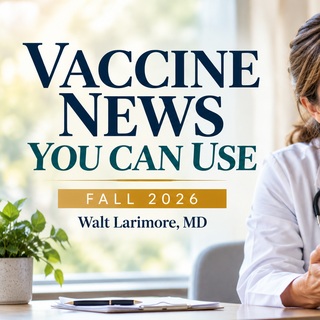
I’ve been honored to write a quarterly column, “Vaccine News You Can Use,” for Colorado Family Physician magazine for several years. My latest column for Fall 2026 has just been published.

The column was published in the Fall 2026 issue (pages 20–22) and comes at a particularly important time.
With federal vaccine policies changing, conflicting recommendations creating confusion, and another respiratory illness season upon us, patients and physicians alike need reliable, practical, evidence-based information.
You can read my complete Fall 2026 column here.
Here are the highlights.
1. The Executive Order — and Why Colorado Sits on Firm Ground (Page 20)
An August 10 presidential executive order has raised new questions about childhood vaccine recommendations, school immunization requirements, and the future role of federal advisory committees.
But what has actually changed? And what hasn’t?
In this article, I explain why Colorado family physicians can continue practicing with confidence, how state law supports recommendations from established medical organizations, and why the distinction between federal guidance and state immunization requirements matters.
I also address the continuing measles resurgence, declining childhood vaccination rates, and why separating the measles, mumps, and rubella (MMR) vaccine into three individual injections isn’t a practical option.
The bottom line: Changing federal policy doesn’t automatically change state law, vaccine availability, or the scientific evidence supporting immunization.
Read the full discussion on page 20.
2. Respiratory Season 2026–2027: What You Need to Know (Page 21)
Flu and COVID-19 season is here, and this year’s vaccines bring several developments worth understanding.
Among the topics I cover:
- Influenza: Updated trivalent vaccines, the continuing preference for certain enhanced vaccines in adults 65 and older, and the best timing for vaccination.
- A new mRNA flu vaccine: What the clinical trial results show, who is eligible, and why comparisons with high-dose and other preferred vaccines still matter.
- COVID-19: Updated vaccines, practical storage considerations, and how to discuss their benefits without promising more protection than the evidence supports.
- A new COVID-19 prevention option: Ensitrelvir (Xocova), an antiviral for certain post-exposure situations, and why it doesn’t replace vaccination.
- Insurance coverage: What patients and practices should know about vaccine benefits and potential out-of-pocket costs.
- Every office visit counts: Why checking immunization status at routine appointments remains one of the simplest ways to prevent serious illness.
I also offer practical counseling tips to help physicians answer common patient questions accurately and confidently.
The bottom line: Vaccines don’t have to prevent every infection to be valuable. Reducing serious illness, hospitalization, complications, and death matters enormously.
Read the complete respiratory season update on page 21.
3. More Vaccine News Worth Knowing (Page 22)
The final page of my column contains dozens of additional vaccine-related headlines, with links to the original reports and studies.
Here are a few that caught my attention:
Colorado and the Region
Policy and Public Trust
- ACOG makes vaccine recommendations for the first time: How they differ from the CDC’s.
- Experts sound the alarm about proposed changes to the federal vaccine injury process.
Respiratory Season: Influenza and COVID-19
- COVID-19 and influenza vaccines may be given on the same day without an increase in side effects.
- Influenza vaccination offers substantial protection against death in children.
Pregnancy and Infants
- Maternal RSV vaccination is linked to fewer infant hospitalizations.
- Additional research raises concerns about missed hepatitis B birth doses.
Children and Adolescents
- Most pediatric multisystem inflammatory syndrome (MIS-C) cases occur in unvaccinated or undervaccinated children.
- Studies document encephalitis and sepsis during U.S. measles outbreaks.
Adult Immunization and HPV
- Shingles vaccination is associated with a lower risk of dementia in older adults.
- HPV vaccination is associated with a reduced risk of invasive cervical cancer.
These are just a sampling of the additional reports.
Explore all the vaccine news headlines and their source links on page 22.
A Final Thought
After more than four decades in family medicine, I’ve learned that patients don’t simply need more medical information. They need information they can understand, from professionals they can trust.
That is especially true when public health recommendations become entangled in politics, controversy, and conflicting messages.
My hope is that this column will help family physicians counsel their patients with greater clarity and confidence—and help patients and families make informed decisions about protecting their health.
Editor’s note: This column reflects information available at the time of publication in Fall 2026. Vaccine recommendations, federal policies, legal proceedings, and insurance coverage may change. Consult current professional guidance when making clinical decisions.
© Copyright WLL, INC. 2026. This blog provides healthcare tips and advice that you can trust about a wide variety of general health information only and is not intended to be a substitute for professional medical advice, diagnosis, or treatment from your regular physician. If you are concerned about your health, take what you learn from this blog and meet with your personal doctor to discuss your concerns.